
RUPAI: A History
This page offers a timeline of the most significant moments in the history of RUPAI’s activity, including their filmography. It also includes other landmarks of the emerging new Runa cinema in the Otavalo area. This page will be constructed throughout the course of the project and will be updated as the research develops.
1981-86: Alberto Muenala studies Filmmaking at the CUEC in Mexico.
After engaging in cultural activism in music, photography and theatre in Otavalo, Alberto Muenala decides to study film in the Centro Universitario de Estudios Cinematográficos (CUEC) in Mexico City.
1986: Foundation of the CONAIE
The Confederation of Indigenous Nationalities of Ecuador, CONAIE, is founded, an Indigenous grassroots organisations representing all Indigenous peoples nationally. Their activism, particularly in their communications strategy, would provide an increasingly important space for Indigenous film activism in the coming years.
1987: Foundation of RUPAI
Alberto Muenala and Juanita Parada Aquino arrive in Ecuador and co-found together with other activists of the Peguche/Otavalo area the Corporación RUPAI. Originally founded with three branches of activity (education, research and communication), it quickly evolves to become almost exclusively dedicated to the production of audiovisual work. Alberto Muenala attends the 2nd CLACPI festival in Brazil, where he has the opportunity to converse with several Indigenous filmmakers from across Abya Yala.
1989: Yapallak, the first Kichwa short fiction film, is released.
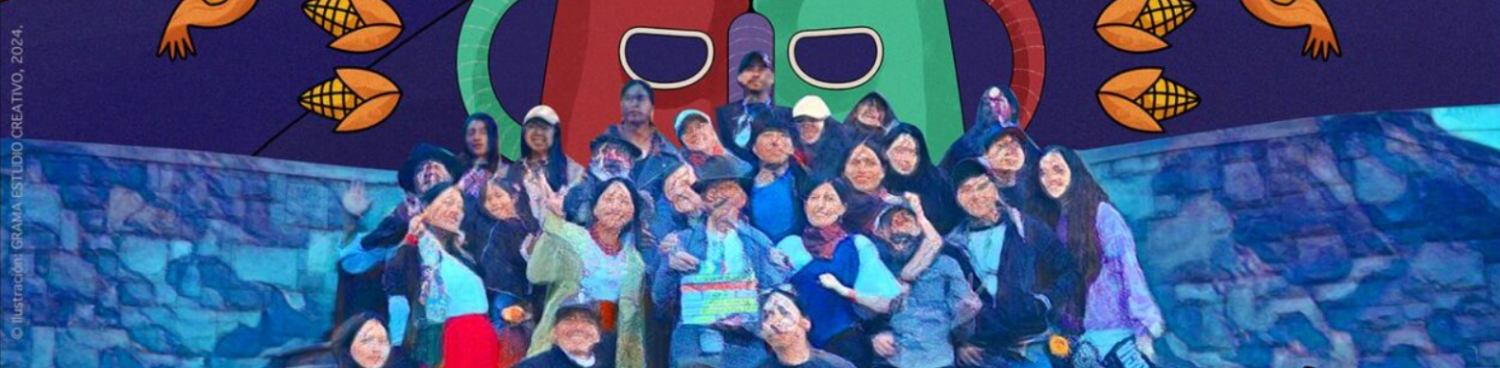
This is the first short fiction by RUPAI and the first Kichwa-produced short fiction film. The film is an interpretation of a story by Don Luis Cachihuango that was recorded during the research activity of RUPAI’s early community activism.
1991: Ay Takigu, RUPAI’s first documentary, is released.
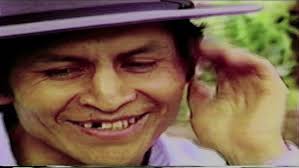
The documentary reflects on the role of music in community celebrations through the knowledge and practice of several taitas. It showcases through the music a collective memory and senses of identity inflected by histories of colonisation. The documentary was put together on the basis of audio-visual material that was recorded as part of RUPAI’s research and cultural activism of the late 1980s.
You can watch the documentary on RUPAI’s YouTube channel here.
Alberto Muenala is also invited to Colombia to participate in a UNESCO-funded workshop training Indigenous filmmakers organised by Marta Rodríguez and in collaboration with the Indigenous Regional Council of the CAUCA (CRIC) as part of a “transfer of media” project. As result of that project in video format can be found here.
1992: RUPAI releases Allpamanta, kawsaymanta, jatarishun, documenting the historical march of the Amazon peoples
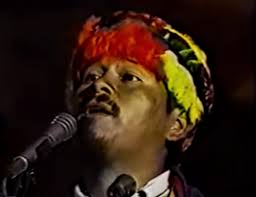
The documentary records a historic moment in the Indigenous movement in Ecuador on the quincentenary of the encounters between Old and New Worlds. Alberto Muenala participates in the 4th CLACPI film festival in Cuzco, where he makes representations about the need for more Indigenous representation at the level of leadership.
1994: First Festival of the First Nations Cinema of Abya Yala, second fiction Mashicuna and collaborations with the CONAIE
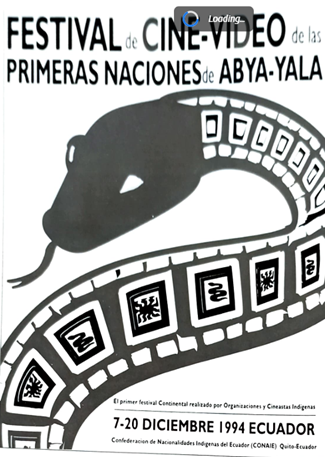
In collaboration with Lucho Macas and other members of the CONAIE, Alberto Muenala plays a key role in the organisation of a continental festival of cinema for and by First Nations peoples. The use of the language “First Nations”, and its programme of itinerant cinema to communities, is testament to the Indigenous-led input of its organisation. The festival seeks to offer an alternative to the established continental festival CLACPI following debates during the festival in Cuzco in 1992, for what was perceived at the time to be a lack of Indigenous leadership in its organisation. These were key debates which led to an enriching of the Indigenous festival scene, including changes within CLACPI and three other iterations of the Ecuadorean festival in the 90s and early 2000s. Under the direction of Alberto Muenala, RUPAI releases its second fiction film in 1994, Mashicuna (Comrades), reflecting on the effect of social circumstances of everyday experiences of two Kichwa men from the same community, and highlighting a number of themes such as the tensions between individual and community interests that would continue to be at the heart of RUPAI’s fictional work. Alberto Muenala collaborates with the CONAIE’s audio-visual wing throughout this time, leading to the production and release of the 1996 documentary Allpamama Rimakun (Mother Earth is Speaking). Alberto Muenala is also invited to participate in, and screens Mashicuna, in the NMAI Indigenous Film & Video festival.
1996-1998: Film workshops in Bolivia and further collaborations with the CONAIE
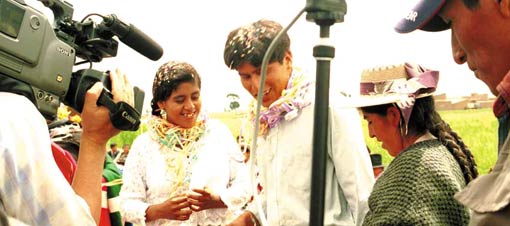
Alberto Muenala is invited by the Bolivian Indigenous film capacitation initiative CEFREC, led by Iván Sanjinés in collaboration with Reynaldo Yujra and Indigenous filmmakers, and the collective CAIB which is also formed around this time. The pioneering efforts of Muenala in fiction can arguably be seen in the creative docufiction rendering of oral tales in this phase of CEFREC’s work.
Above: Screenshot from the film LLanthupi munakuy (Loving Each Other in the Shadows) by Marcelina Cárdenas. 2002, CEFREC-CAIB.
2000-2008: Move to Mexico, Presidency of CLACPI
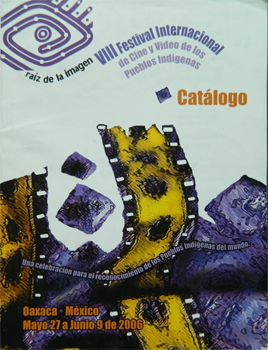
The Muenala-Aquino family move to Mexico. Alberto Muenala continues to collaborate with filmmakers in Mexico and Guatemala to make documentaries during this period, and in 2006 participates in the 8th iteration of the continental Indigenous film festival CLACPI, where he is elected President, making him the second Indigenous president of the history of the organisation.
2008: First RUPAI workshops in Ecuador
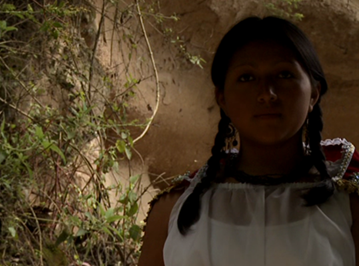
Returning to Ecuador and drawing from his role as the new President of CLACPI, Alberto Muenala establishes with others from RUPAI a series of workshops aimed at bringing together aspiring Kichwa filmmakers to create a series of short films. RUPAI invited experts to teach on its programme, including Kichwa taitas to speak about Kichwa cosmovision. Although the workshops covered both documentary and fiction filmmaking, the majority of the projects were fictional creations. An important contributor within the workshops were members of the CORPANP (Corporation for Indigenous Audio-visual Producers), found in 2008. Together with APAK TV (Association of Kichwa Audio-Visual Producers, founded in 2009), these organisations formed an emerging network of Kichwa audio-visual media content creators and activists.
Above: Screenshot of film from La Yumba, directed by Rocío Gómez. 2008, RUPAI producciones.
2011: Second RUPAI workshops in Ecuador
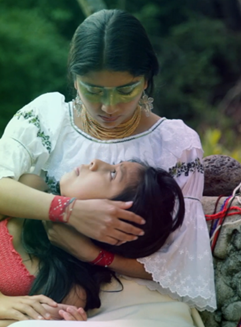
A second set of workshops organised by RUPAI, incorporating some newer members, were established in 2011. As previously, experts were invited to teach as part of the workshops and those participating got involved with various aspects of the creative and production processes to help one another to produce a new series of short films. RUPAI also release a 2011 documentary Yakumanta (For Water), about the state repression of nationwide Indigenous protests against the proposed Law on Water Resources.
Right: Screenshot of film from Kuychi pucha, directed by Segundo Fuérez. 2011, RUPAI producciones.
2012: Founding of RunaCinema; work begins on Killa
The workshops of 2008 and 2011 helped to build a community of Kichwa filmmakers which covered a large area of the creative and technical filmmaking process. Together, various members of this group decided to form RunaCinema, a collective of Kichwa filmmakers whose guiding project was to secure funding for the first feature-length Kichwa fiction film, which Alberto Muenala was to direct. The group achieved the funding and began work on this significant milestone in Kichwa filmmaking in Ecuador.
2015: CNCine recognises a new category for Indigenous films

Collective action by an emerging Kichwa filmmaker community, partly through the work of RUPAI and partly through others such as in CORPANP, put increasing political pressure on the film institute CNCine (National Council for Ecuadorean Film, now ICCA). In 2015, a new funding category specific to Indigenous film was founded, and the budget for this film category was consequently raised through further lobbying. This work has led to Ecuador offering one of the most significant funds for Indigenous film of any Latin American country, an impressive feat given the relative small size of its film industry, and testament to the power of collective community action.
2017: Premier of Killa in Peguche, first feature-length Kichwa film
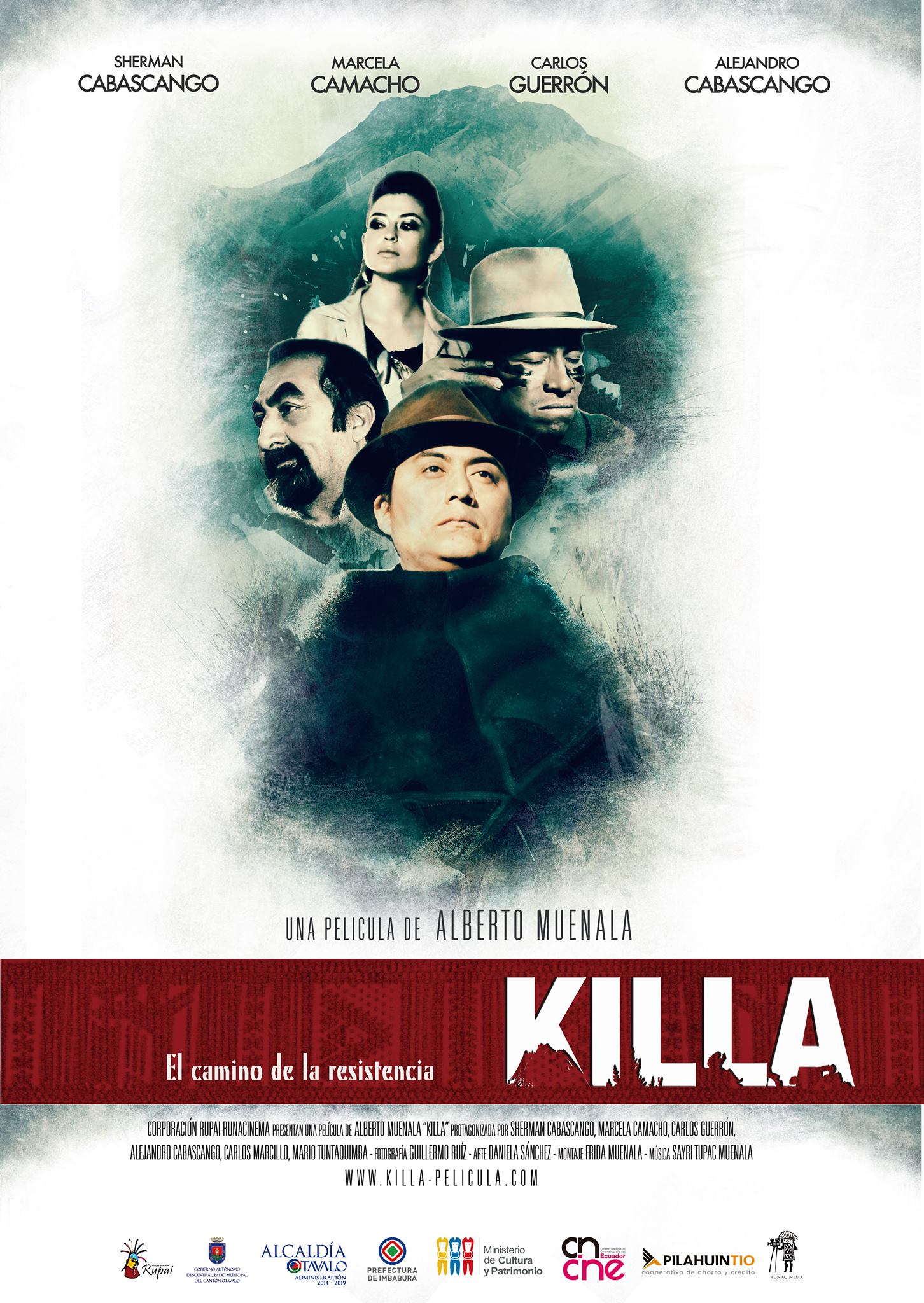
After a long production and post-production process which also represented for many a “school” in Kichwa community film production, Killa is prepared for release, marking the first full-length Kichwa film. In line with its aim to establish a Kichwa commercial cinema, but that is first and foremost aimed at the communities of the Peoples and Nations of Ecuador, the film is premiered in Peguche-Otavalo to wide acclaim and a full house.
2018: The Indigenous film collective ACAPANA is founded

Together with Alberto Muenala, Roció Gómez, Patricia Yallico, and others, ACAPANA (Association of Indigenous Creators of Film and Audio-Visual Media) is founded, with the mission of fostering collective interests for Indigneous filmaking in Ecuador, partly by influencing the national institute for cinema, ICCA (formerly CNCine). Joshi Espinosa, together with Citlali Andrango, both of whom had participated as students in the RUPAI workshops of 2008-11, also release their first full-length feature film, Huahua, in this same year.
2019: Frida Muenala releases Warmi Pachakutik, her first medium-length documentary
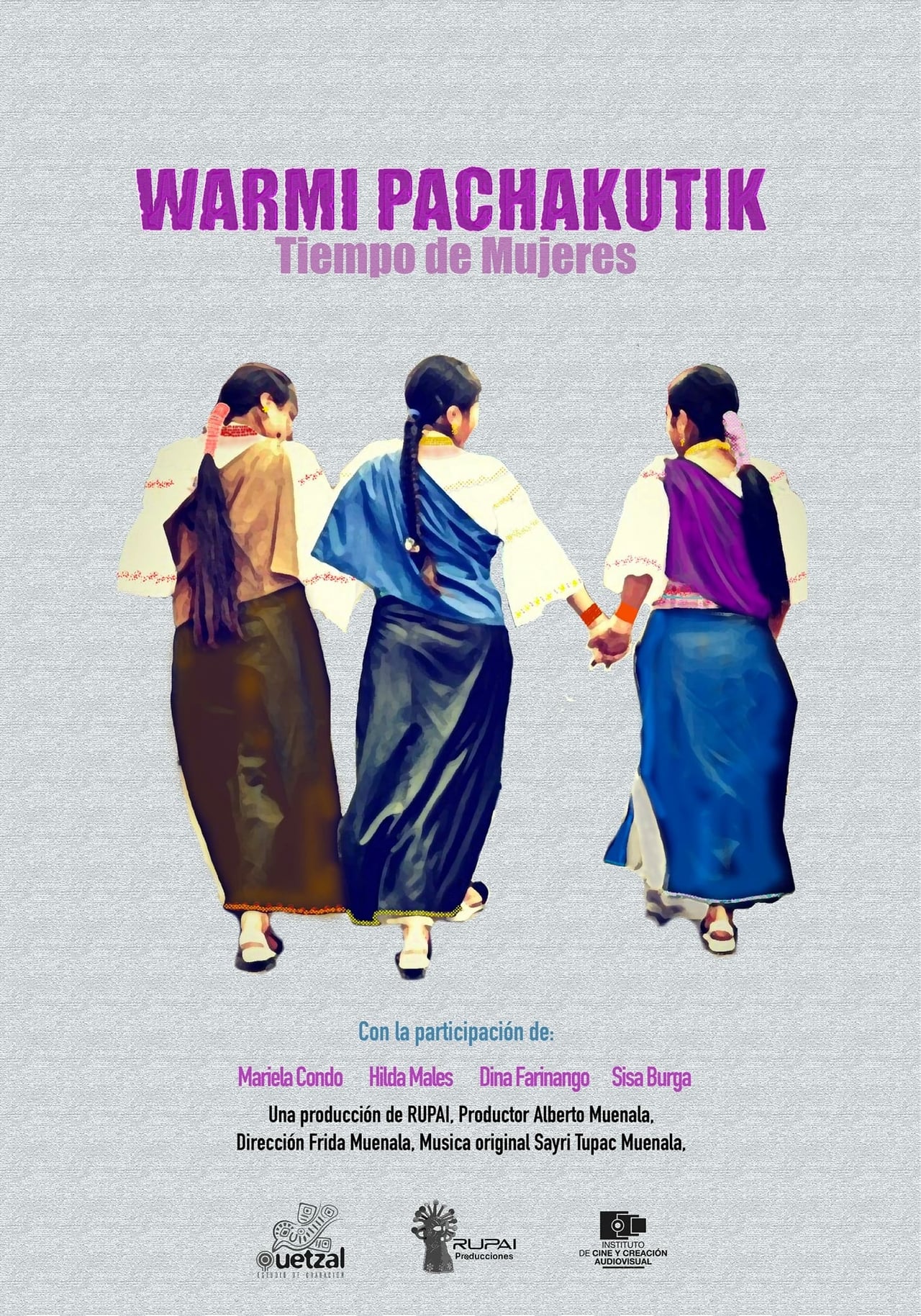
Frida Muenala directs her first feature-length documentary, following the story of four women (five if we include Frida Muenala in the picture) who embody and bear witness to the social, cultural and economic role of contemporary Kichwa women in a globalised society. The rights to the film were bought initially by the Ministry of Culture in Ecuador and the film became known worldwide as an image of contemporary Ecuadorean multicultural citizenship.
2021: The 3rd Ñawipi festival is launched online
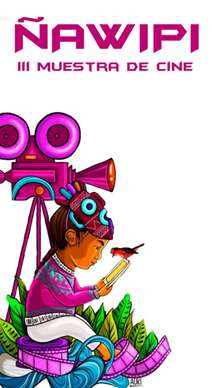
In the face of the COVID-19 pandemic which makes it impossible to organise in-person events, the festival gives symbolic continuity to the Ñawipi festivals RUPAI organised and celebrates 34 years of RUPAI’s activity.
2026: Planned release of RUPAI’s second feature-length fiction, Allpamamapak shunku.
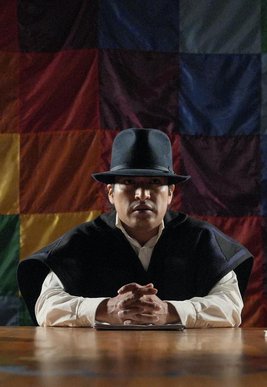
More soon…
Theme by the University of Stirling